

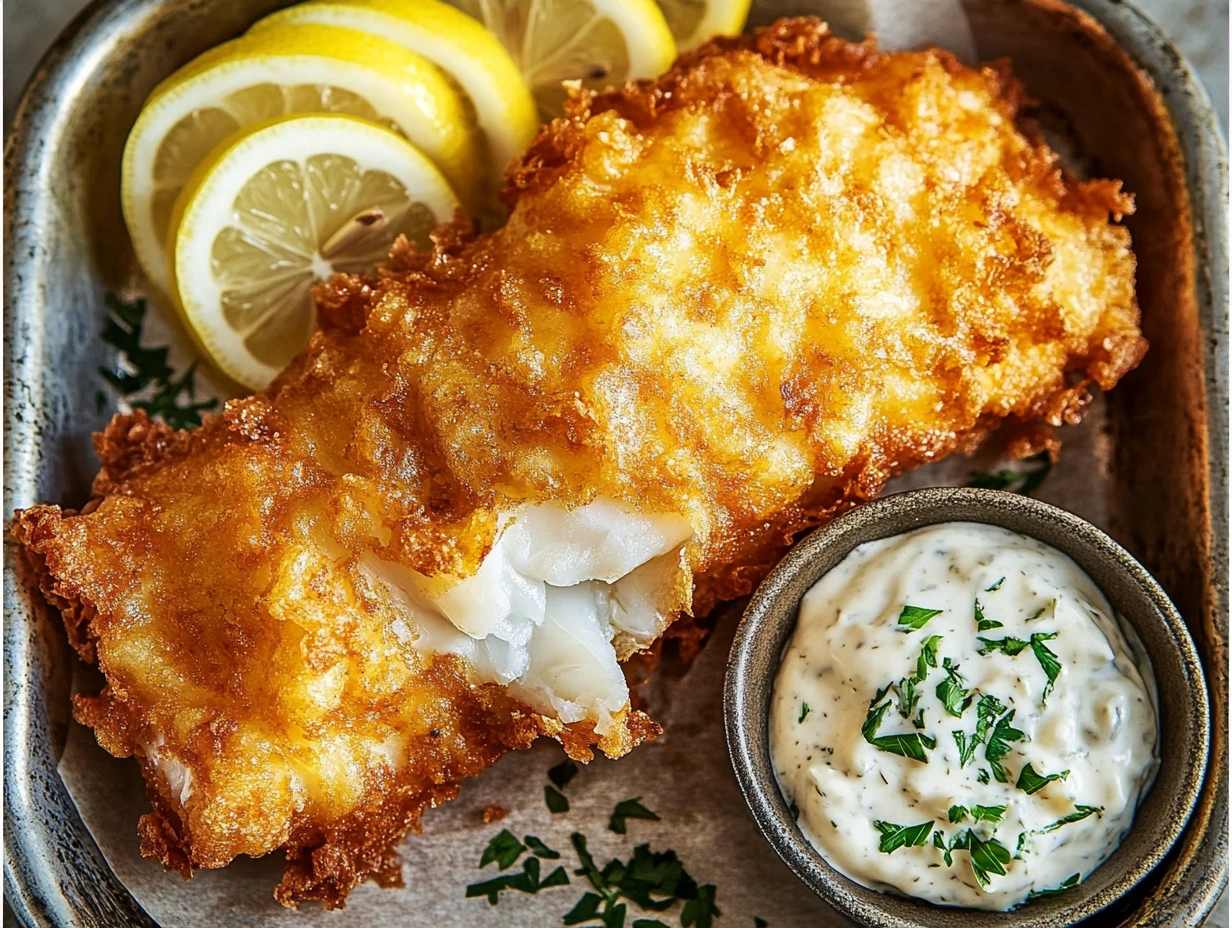
There’s just something about crispy, golden-brown fish that makes every meal feel like a celebration. Whether it’s a cozy family dinner or a fun Friday night treat, a plate of perfectly battered fish is always a crowd-pleaser. And let me tell you, mastering the art of a crispy fish batter is easier than you might think. With just a few simple ingredients and a little attention to detail, you’ll be able to create the kind of crispy, light batter that rivals your favorite seafood restaurant.
I’ve spent a lot of time experimenting with different batters over the years. From beer batters to simple flour-based ones, the goal has always been the same—crispy, flaky perfection that doesn’t overpower the delicate taste of the fish. What I love about this recipe is that it’s versatile enough for you to tweak it to your liking, but it always delivers that satisfying crunch. Plus, it’s a breeze to make, which means more time spent enjoying your meal instead of stressing over the details.
Why This Batter Works: A Perfect Balance of Crispiness and Lightness
So what makes this batter stand out? It’s all about the ingredients and the method. The combination of all-purpose flour, cornstarch, and baking powder creates a light, airy batter that fries up perfectly crispy. The cornstarch is the secret ingredient that gives the batter that extra crunch we all crave. The addition of garlic powder is optional, but it adds a wonderful depth of flavor that really takes the fish to the next level. And then there’s the magic ingredient: cold sparkling water (or cold beer if you’re feeling a little adventurous). The cold liquid helps create a crisp, airy texture that just can’t be beaten.
Step 1: Let’s Get Cooking to Crispy Fish Batter
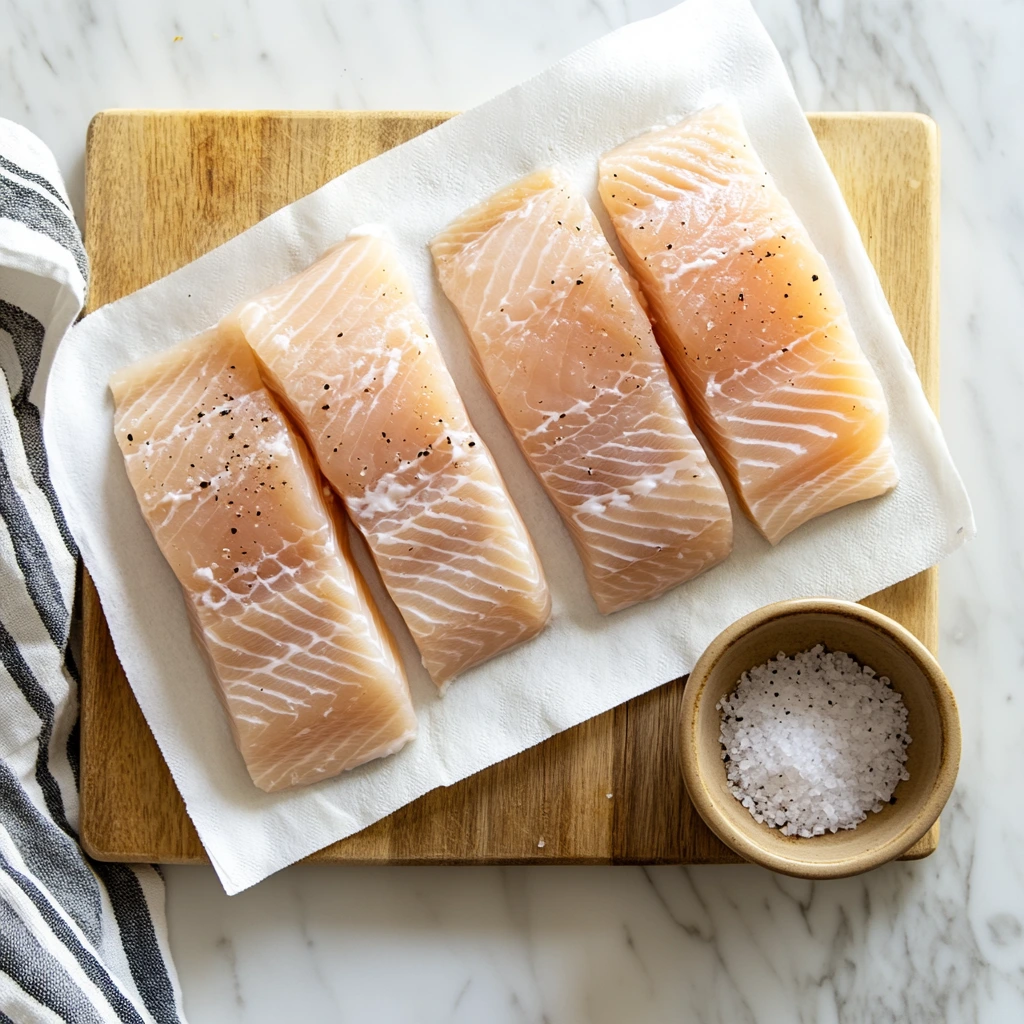
Alright, let’s dive into the recipe. You’ll want to start by preparing your fish. I love using mild white fish fillets like cod, haddock, or tilapia, but feel free to choose your favorite fish. The key here is to make sure the fillets are dry before you start. Use paper towels to pat them down and remove any excess moisture. This step helps the batter adhere better and prevents the fish from getting soggy during frying.
Next, season the fillets lightly with salt and pepper. It’s always tempting to go heavy on the seasoning, but trust me, the batter is where all the flavor will shine through, so don’t overdo it on the fish. Set the fillets aside and let’s move on to the batter.
Step 2: The Magic of the Batter – Mixing It to Perfection
In a large mixing bowl, combine your dry ingredients. You’ll need 1 cup of all-purpose flour, 1/4 cup of cornstarch, 1 teaspoon of baking powder, 1/2 teaspoon of salt, 1/4 teaspoon of black pepper, and 1 teaspoon of garlic powder if you’re using it. Whisk everything together until it’s well blended. This dry mixture is the base for the crispy coating, and it’s important to make sure it’s evenly mixed so the batter cooks up consistently.
Now comes the fun part: adding the cold liquid. Gradually pour in 1 cup of cold sparkling water (or cold beer for a deeper flavor). As you pour, whisk the mixture gently. The goal is to create a smooth, slightly thick batter that will coat the fish evenly without being too heavy. Be careful not to overmix it. Overmixing can make the batter too thick and dense, and we want it light and crisp. If you notice any lumps, just give it a quick stir to break them up, but avoid working the batter too much. It should have a slightly lumpy texture, which is exactly what you want for that crispy crunch.
At this point, your batter is ready, and it’s time to move on to the frying. Make sure you’re using a deep skillet or a deep fryer, as you want enough oil to fully submerge the fish for even cooking. Before we get to frying, let’s talk oil.
Choosing the Right Oil for Frying
For frying, vegetable oil works wonderfully because it has a neutral flavor and a high smoke point. You want the oil to reach around 350°F (175°C), so a thermometer can be really helpful here. If you don’t have one, just test the oil by dipping a small amount of batter into it. If it sizzles and rises to the top immediately, the oil is ready. You don’t want to overcrowd the skillet, so be sure to fry the fish in small batches for the best results.
Step 3: Coating the Fish for the Ultimate Crunch
The first step in frying is to coat the fish fillets in flour. Lightly dredge each piece in flour, shaking off any excess. This step helps the batter stick to the fish and creates a barrier that keeps the fish from absorbing too much oil. Once the fillets are floured, it’s time to dip them into the batter.
Take each floured fillet and dip it into the batter, ensuring that it’s fully coated. Be careful to let any excess batter drip off before you transfer the fish to the hot oil. If you leave too much batter on the fish, it may get heavy and soggy during frying, which is the last thing you want. The batter should cling to the fish, but it shouldn’t be thick or gloppy.
Step 4: Frying – Patience and Precision
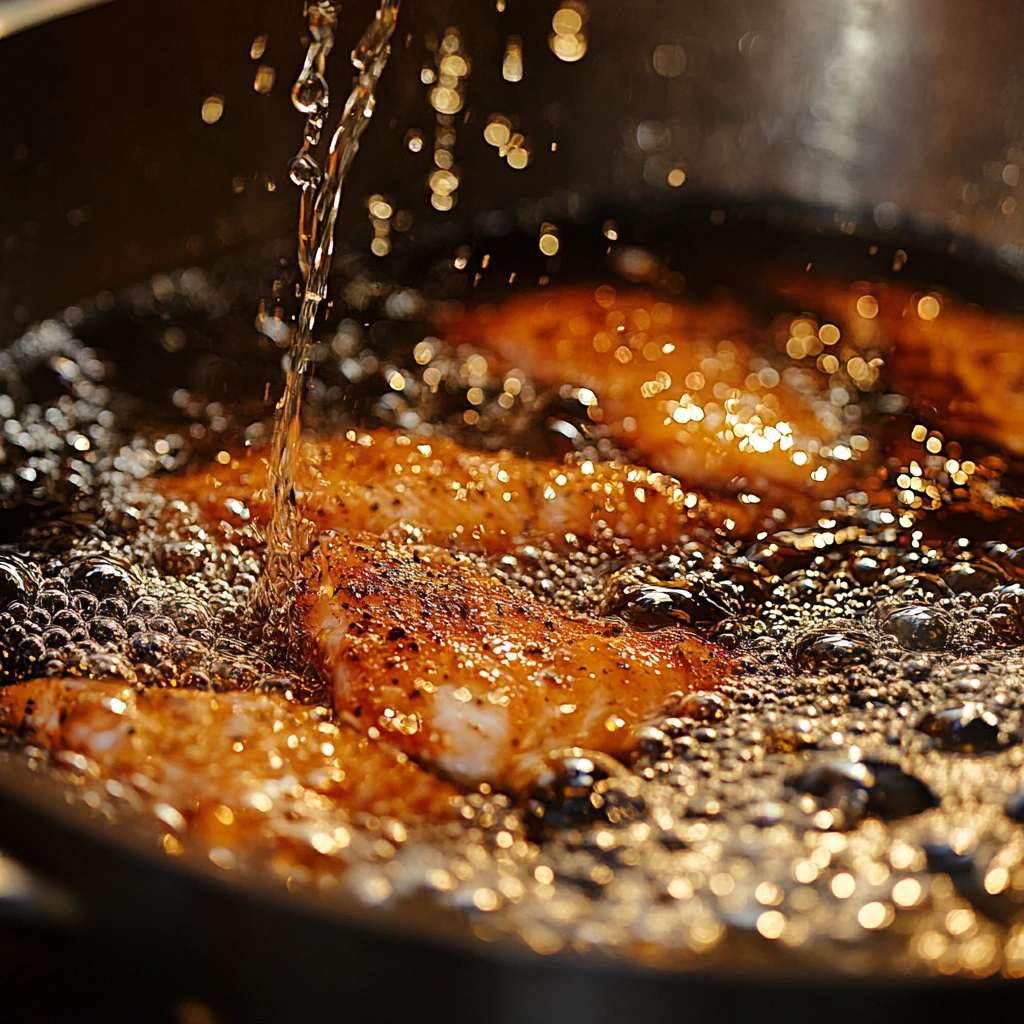
When the oil is at the right temperature (around 350°F or 175°C), it’s time to carefully place the battered fish into the hot oil. Be sure not to overcrowd the pan, as this will cause the oil temperature to drop, leading to greasy fish instead of crispy fish. I always recommend frying in small batches, giving each piece enough space to cook evenly and get crispy all over.
Let each piece of fish fry for about 3 to 5 minutes per side. You’ll know the fish is done when the batter turns a deep golden-brown color, and the fish flakes easily when tested with a fork. Don’t rush this step! The goal is to allow the batter to crisp up without burning, while also ensuring that the fish inside is cooked through and flaky. If you’re unsure, just make a small cut into the thickest part of the fillet to check for doneness.
Step 5: Draining the Excess Oil – Keep It Crisp
Once the fish is cooked to perfection, use a slotted spoon to carefully remove it from the oil. Place the fish on a paper towel-lined plate to drain any excess oil. This step is crucial for maintaining that crisp exterior. If the fish sits in the oil for too long after it’s cooked, it can lose its crunch. So, once you’ve got it out of the fryer, let it rest for a few seconds to ensure it stays crispy.
Serving Suggestions: Complete the Meal
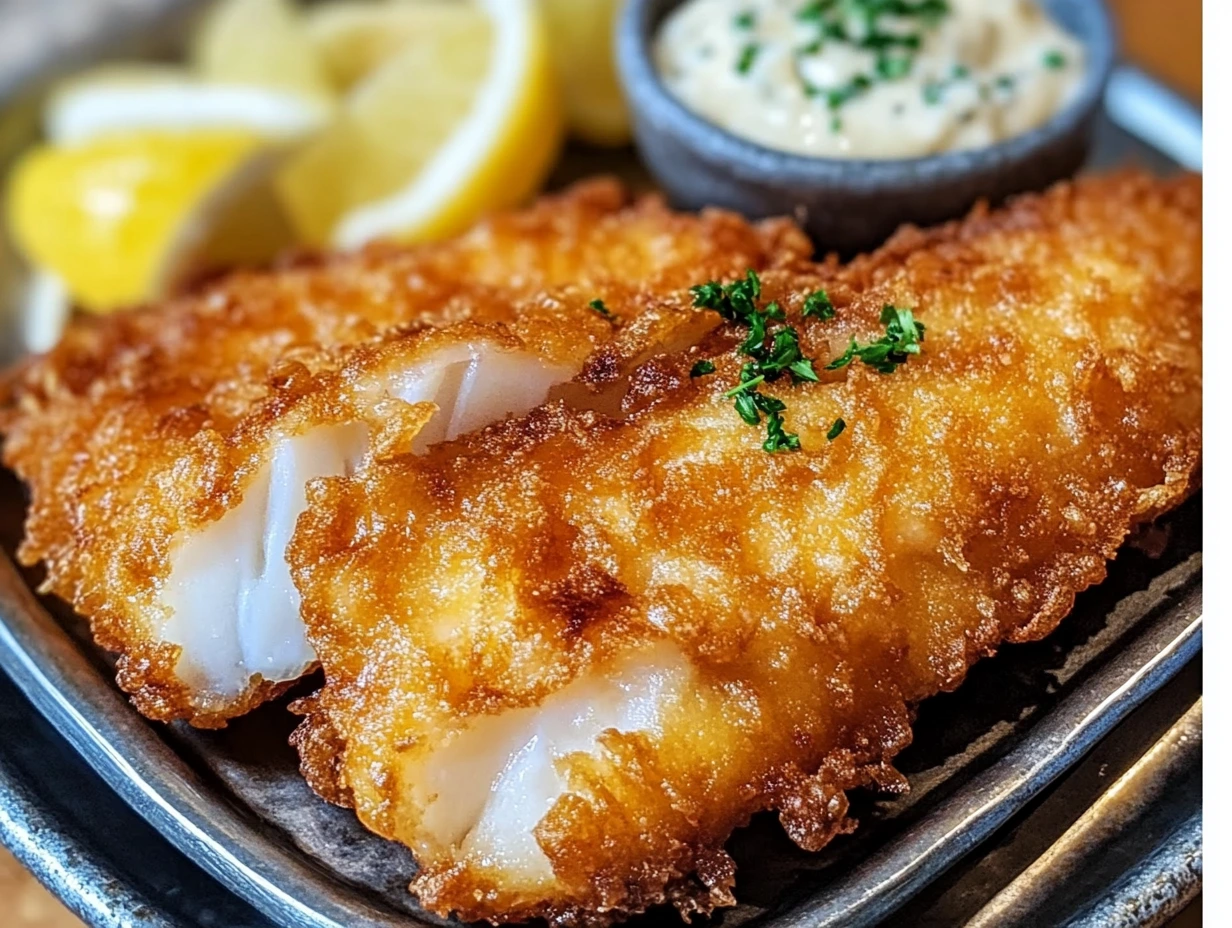
Now comes the fun part: serving your crispy fish! I love to pair it with classic sides like fries or coleslaw for a full meal. And of course, no fried fish is complete without a side of tartar sauce for dipping. A few wedges of fresh lemon also add a nice burst of acidity that balances out the richness of the fried fish.
If you want to get a little fancy, you can serve your crispy fish in a fish taco, topping it with some creamy avocado, slaw, and a drizzle of lime. Or, for a lighter meal, serve it alongside a crisp salad with a tangy vinaigrette to cut through the fried goodness.
Extra Tips for Even More Crispiness
While this recipe already yields a wonderfully crispy batter, there are a few extra tricks that can take it to the next level.
-
Chill the batter before use: If you have a little extra time, chill the batter in the fridge for about 10-15 minutes before dipping the fish. The cold batter helps form a crispier crust as it hits the hot oil.
-
Use ice-cold sparkling water or beer: The colder the liquid, the crispier the batter. If you’re using sparkling water, make sure it’s as cold as possible. For an extra twist, swap the sparkling water for a cold beer. The carbonation in the beer adds an extra level of airiness to the batter.
-
Control the oil temperature: Maintaining the right temperature is crucial for crispy fish. If the oil gets too hot, the batter can burn before the fish cooks through. If it’s too cool, the batter can become greasy. A thermometer can help ensure the oil stays at a consistent 350°F (175°C). If you’re frying in batches, allow the oil to come back to temperature before adding the next batch of fish.
Cleaning Up After the Frying
Frying can be a bit messy, but with a little preparation and quick cleanup, it won’t feel overwhelming. After you’re done frying, let the oil cool completely before disposing of it or saving it for another use. I recommend straining the oil before storing it to remove any leftover batter crumbs. If you’ve used a deep fryer, many models have oil storage options that make cleanup even easier.
Once you’ve cleaned up, enjoy your crispy fish! The satisfaction of biting into a perfectly fried fillet with that crunchy, golden crust is well worth the effort.
FAQ: All Your Crispy Fish Batter Questions Answered
Now that we’ve gone through the recipe and all the frying techniques, you might have a few questions lingering in your mind. No worries! I’ve gathered some of the most common questions I get about this crispy fish batter recipe and I’m here to answer them to make sure your next batch turns out perfectly.
1. Can I use frozen fish fillets?
Yes, you can definitely use frozen fish fillets, but there are a few important things to keep in mind. First, make sure to thaw the fish completely before using it. I recommend thawing it in the fridge overnight or placing it in a sealed plastic bag and submerging it in cold water for a faster thaw. Once thawed, be sure to pat the fillets dry thoroughly with paper towels to remove excess moisture. This is key to getting that crispy, crunchy batter. If the fish is too wet, the batter won’t adhere properly, and it can become soggy when fried.
2. Can I use a different type of flour for the batter?
While I love the classic all-purpose flour for this recipe, you can experiment with other flours. For example, rice flour can provide an even lighter, crispier texture, while whole wheat flour will give the batter a slightly nuttier flavor. Just keep in mind that different flours may alter the texture and taste of the batter, so it might take a bit of trial and error to find your preferred combination.
3. What’s the difference between using sparkling water and beer in the batter?
Great question! The main difference lies in the flavor and texture. Sparkling water is a neutral option that allows the fish’s flavor to shine through while still providing a light and crispy batter. On the other hand, beer adds a bit more flavor to the batter and gives it a slightly richer, more complex taste. If you’re going for a beer-battered fish like you’d find at your favorite pub, beer is the way to go. But if you’re aiming for something a little lighter and more straightforward, sparkling water is a great choice.
4. How can I make the batter even crispier?
If you’re aiming for an extra-crispy batter, there are a couple of tricks you can try. First, you can chill the batter in the fridge for about 10-15 minutes before dipping the fish in it. Cold batter hits the hot oil and forms a crispier crust. Additionally, you can add a tablespoon of cornstarch to the flour mixture. Cornstarch is a secret ingredient for making the batter extra crunchy! Lastly, be sure to maintain the right oil temperature. If the oil is too hot, the batter can burn before the fish cooks through, but if the oil is too cool, the batter will absorb too much oil and lose its crispness.
5. Can I make this batter ahead of time?
Yes, you can prepare the batter ahead of time. If you want to get a head start, you can mix the dry ingredients the night before, then just add the cold sparkling water or beer when you’re ready to fry. You can also prepare the batter in advance and store it in the fridge for up to an hour or so before using it. However, I wouldn’t recommend storing it for too long, as the batter might lose some of its lightness and crispiness over time. Just remember to give it a gentle stir before dipping the fish.
6. How do I store leftover fried fish?
If you happen to have any leftovers (though I doubt that will happen with this crispy fish!), it’s best to store them in an airtight container in the fridge. Keep in mind that fried food tends to lose its crispiness when reheated, but you can restore some of the crunch by reheating the fish in a hot oven or in a skillet. Preheat your oven to 350°F (175°C) and bake the fish for about 10 minutes, or until it’s heated through. If you’re reheating in a skillet, heat a small amount of oil over medium heat and cook the fish for 2-3 minutes per side until it’s hot and crispy again.
7. Can I use this batter for other types of food?
Absolutely! While this recipe is perfect for fish, the batter works wonderfully on other types of seafood like shrimp or scallops. It can also be used for vegetables like zucchini, mushrooms, or onion rings. The crispy batter adds texture and flavor to pretty much anything you fry, so don’t be afraid to get creative with it. Just make sure to adjust the frying time depending on what you’re cooking—smaller or thinner items will cook faster than thicker fillets of fish.
Conclusion: Enjoy Your Crispy Fish!
There you have it! You’ve got all the tips, tricks, and answers you need to make the crispiest, most delicious battered fish right at home. I hope this recipe gives you the confidence to get into the kitchen and start frying. There’s something truly special about biting into a perfectly crispy piece of fish that’s golden on the outside and tender on the inside. Whether you’re serving it with fries, slaw, or on a taco, this crispy fish batter is sure to be a hit every time.
Remember, practice makes perfect, so don’t be afraid to experiment with different types of fish, seasonings, and frying techniques. Once you get the hang of it, you’ll have a go-to recipe that everyone will love. I’d love to hear how your crispy fish turns out, so feel free to share your experiences or any creative twists you tried on the recipe. Happy frying!
Print
CRISPY FISH BATTER
- Total Time: 20-25 minutes
Description
This crispy fish batter creates the perfect crunchy coating for your favorite fish fillets, like cod, haddock, or tilapia. The combination of all-purpose flour and cornstarch gives the batter a light, crispy texture, while the baking powder ensures a fluffy crunch that’s not too heavy.
Ingredients
For the batter:
- 1 cup all-purpose flour
- 1/4 cup cornstarch (for extra crispiness)
- 1 teaspoon baking powder
- 1/2 teaspoon salt
- 1/4 teaspoon black pepper
- 1 teaspoon garlic powder (optional, for added flavor)
- 1 cup cold sparkling water (or cold beer for a beer-batter twist)
For frying:
- Vegetable oil, for frying
- Fish fillets (cod, haddock, or tilapia work well)
Instructions
1️⃣ Prepare the Fish:
Pat the fish fillets dry with paper towels to remove excess moisture. Lightly season the fillets with salt and pepper. Set them aside.
2️⃣ Mix the Batter:
In a mixing bowl, combine the flour, cornstarch, baking powder, salt, pepper, and garlic powder (if using). Gradually whisk in the cold sparkling water (or beer) until the batter becomes smooth and slightly thick. Be careful not to overmix to maintain the lightness of the batter.
3️⃣ Heat the Oil:
In a large skillet or deep fryer, heat vegetable oil to 350°F (175°C). Ensure the oil is deep enough to submerge the fish for even frying.
4️⃣ Coat the Fish:
Dredge each fish fillet lightly in flour, shaking off the excess. Then dip the floured fish into the batter, making sure it’s fully coated. Allow any excess batter to drip off before frying.
5️⃣ Fry the Fish:
Carefully place the coated fish into the hot oil, frying in small batches to avoid overcrowding. Cook each piece for 3-5 minutes per side, or until the batter turns golden brown and crispy. The fish should flake easily with a fork when done. Remove the fish with a slotted spoon and place on a paper towel-lined plate to drain excess oil.
6️⃣ Serve:
Serve the crispy fish immediately while hot, paired with tartar sauce, lemon wedges, and a side of coleslaw or fries for a complete meal.
Notes
- If you want a beer-batter twist, substitute the sparkling water with cold beer for a richer flavor.
- For an extra crisp texture, you can chill the batter for about 10 minutes before dipping the fish.
- Prep Time: 10 minutes
- Cook Time: 10-15 minutes